
What is an EKG and When to Get One
What Is an EKG and When to Get One
An EKG is one of the most common and trusted tools doctors use to understand how your heart is working. Short for electrocardiogram, this quick, non-invasive test measures the electrical activity of your heart and helps identify a wide range of potential cardiac concerns. At MyDoctor, we use this test to give patients fast answers and peace of mind when heart-related symptoms show up or when preventive care is needed.
Your heart runs on electrical signals. Every beat is triggered by an impulse that tells the heart muscles when to contract and relax. When something disrupts that system, it can affect how well your heart pumps blood through your body. That’s where this test becomes incredibly valuable, offering a clear snapshot of what’s happening beneath the surface.
How This Heart Test Works
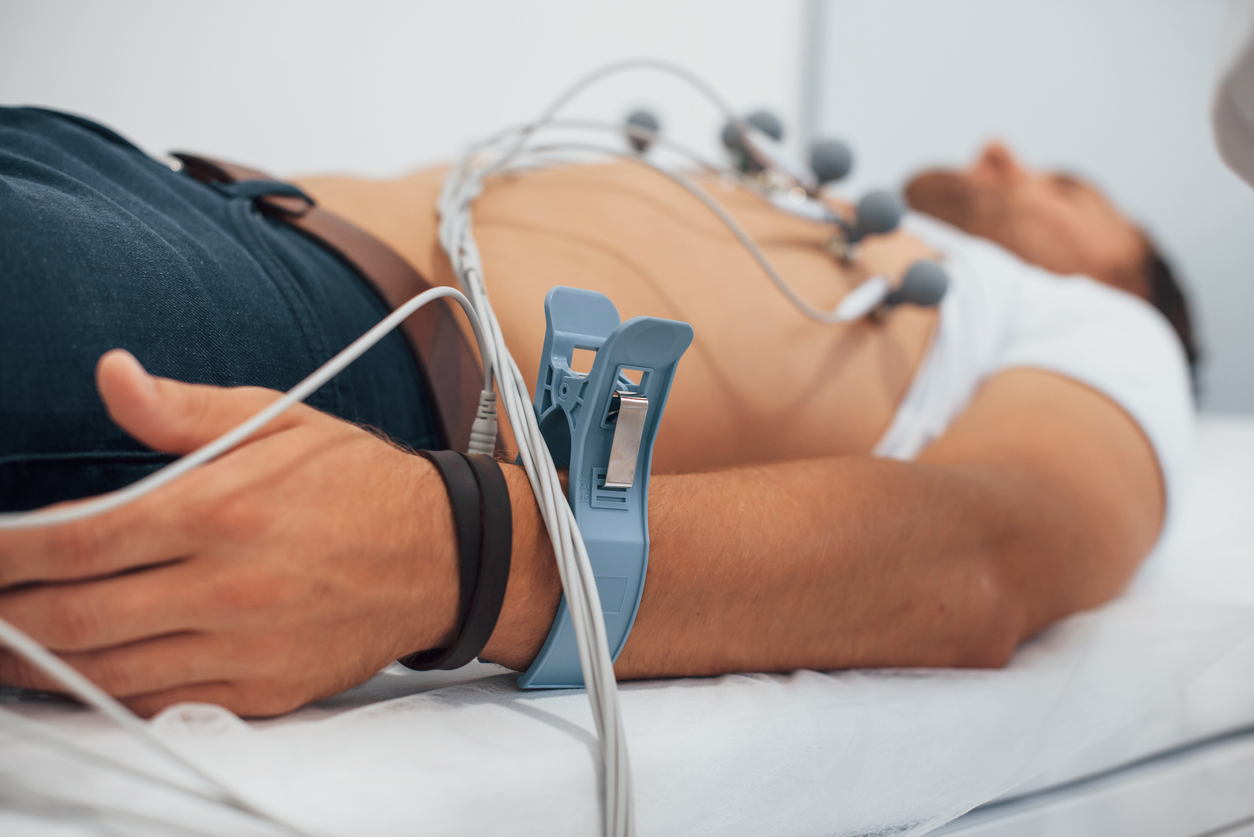
During the test, small adhesive electrodes are placed on your chest, arms, and legs. These electrodes detect the electrical signals produced by your heart each time it beats. The signals are then recorded as waves on a screen or printout, allowing a medical provider to review your heart’s rhythm, rate, and overall electrical pattern.
The process is simple and painless. There are no needles, no injections, and no recovery time. You’ll lie still for a few minutes while the machine records your heart’s activity. Once the test is complete, the electrodes are removed, and you’re free to continue your day as usual.
When You Should Consider Getting One
There are several situations where this test plays an important role in evaluating your health. Chest pain or pressure is one of the most common reasons doctors order it, as it can help determine whether symptoms are heart-related. Irregular heartbeats, including sensations of fluttering, racing, or skipped beats, are another key reason to check your heart’s rhythm.
Shortness of breath that can’t be explained by activity or illness may also signal an underlying heart issue. Dizziness or fainting episodes sometimes point to rhythm problems that need immediate attention. Patients with high blood pressure may benefit from testing to see how their heart is handling the extra workload. If you have a family history of heart disease, routine monitoring can help catch concerns early before symptoms develop.
In some cases, this test is included as part of a routine physical, especially for patients with risk factors such as diabetes, smoking history, or high cholesterol. An EKG provides valuable baseline information that can be compared to future results if symptoms arise.
What the Results Can Reveal
This test helps providers identify several types of heart conditions. It can detect arrhythmias, which occur when the heart beats too fast, too slow, or irregularly. It may also show signs of a past or current heart attack by revealing damage to heart muscle tissue. Structural changes, such as an enlarged heart, can sometimes be identified as well.
While it doesn’t diagnose every heart condition on its own, it often serves as the first step in determining whether further testing is needed. When paired with symptoms and medical history, the information it provides is extremely powerful.
What to Expect During Your Visit
The entire test usually takes about five to ten minutes from start to finish. You’ll be asked to lie down, relax, and breathe normally while the machine records your heart’s activity. There’s no special preparation required. You can eat, drink, and take medications as prescribed unless your provider tells you otherwise.
Results are often available immediately, which allows your provider to discuss findings with you right away. In urgent situations, this rapid feedback can be critical in deciding next steps for care.
Why MyDoctor Is a Smart Choice for Heart Testing
At MyDoctor, we understand how concerning heart symptoms can be. That’s why we focus on fast, accurate testing paired with clear communication. Our experienced providers know how to interpret results and explain what they mean in plain language, without unnecessary confusion or delays.
Our Tulsa location makes it easy to access care when you need it most, whether symptoms come on suddenly or you’re seeking preventive evaluation. Beyond heart testing, we offer comprehensive urgent care services, allowing us to address symptoms, provide treatment, and coordinate follow-up all in one place. Choosing MyDoctor means choosing convenience, expertise, and patient-focused care.
Frequently Asked Questions About Heart Rhythm Testing
Is this test safe?
Yes, it is completely safe. It does not use electricity on your body, only records the signals your heart naturally produces.
Does it hurt or feel uncomfortable?
No, the test is painless. You may feel mild pressure when electrodes are placed or removed, but there is no discomfort during the recording.
How long does the appointment take?
The test itself only takes a few minutes, and most visits are completed quickly, especially in an urgent care setting.
Can this test detect all heart problems?
While it provides valuable information, it does not detect every possible heart condition. Your provider may recommend additional testing depending on your symptoms and results.
Do I need one even if I feel fine?
In some cases, yes. Patients with risk factors or a family history of heart disease may benefit from baseline testing, even without symptoms.
Will I get results right away?
In most cases, results are available immediately and reviewed with you during your visit.
If you’re experiencing symptoms or want reassurance about your heart health, an EKG can provide fast, meaningful answers, contact MyDoctor in Tulsa and take the next step toward protecting your heart today.